Ceramic, porcelain and natural stone: how tile floors handle flooding
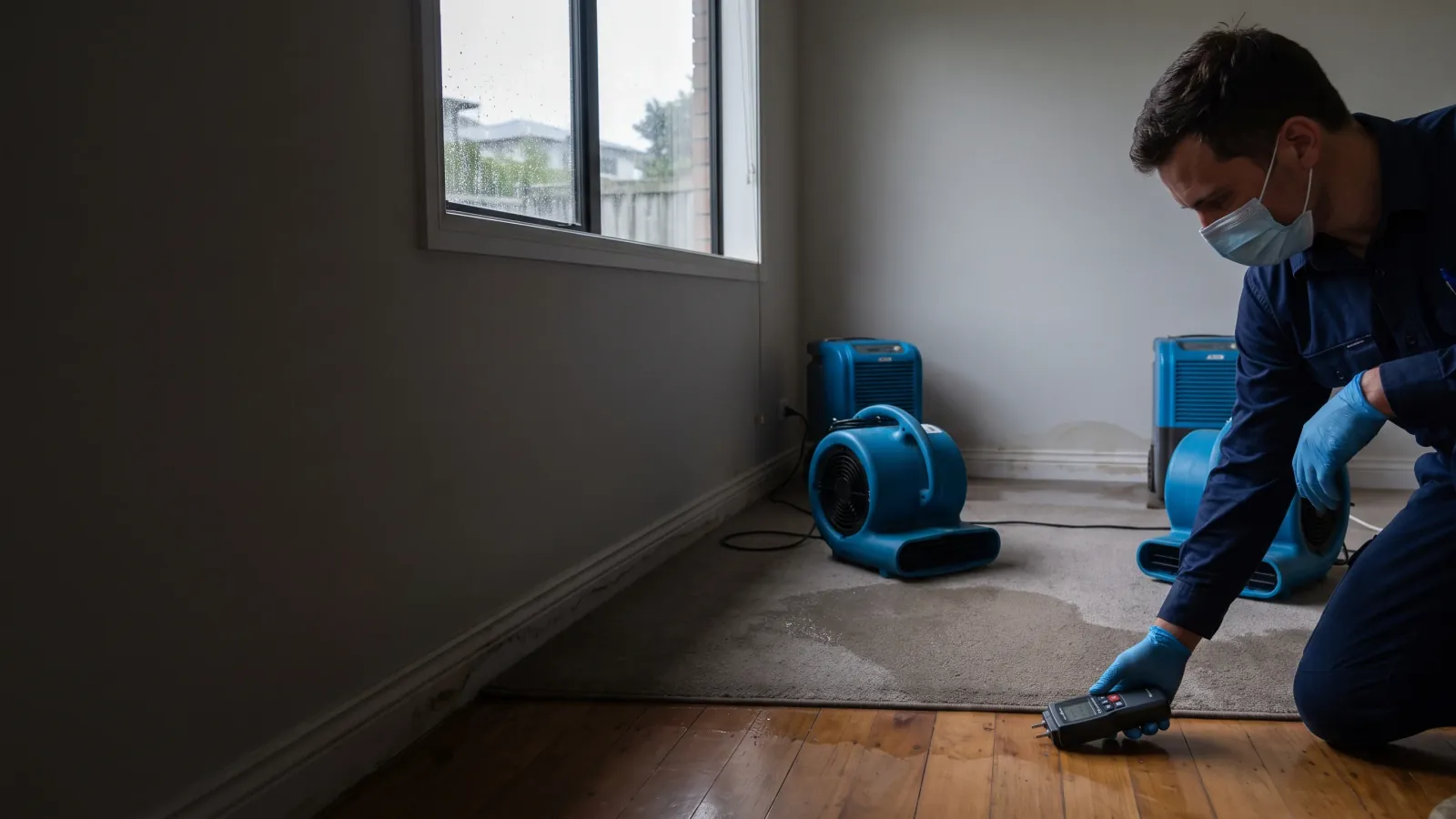
Tile is often the most flood-tolerant flooring in an Auckland home, but the tile body, the grout joints and the layers beneath behave very differently once water arrives. Knowing the material changes what recovery looks like.
How flood outcomes differ across ceramic, porcelain and natural stone, and why the grout and the substrate usually decide the result.
Tile is often the most flood-tolerant flooring in an Auckland home, but the tile body, the grout joints and the layers beneath behave very differently once water arrives. Knowing the material changes what recovery looks like.
Identify the tile type - glazed ceramic and porcelain resist absorption; natural stone and unglazed tile drink water.
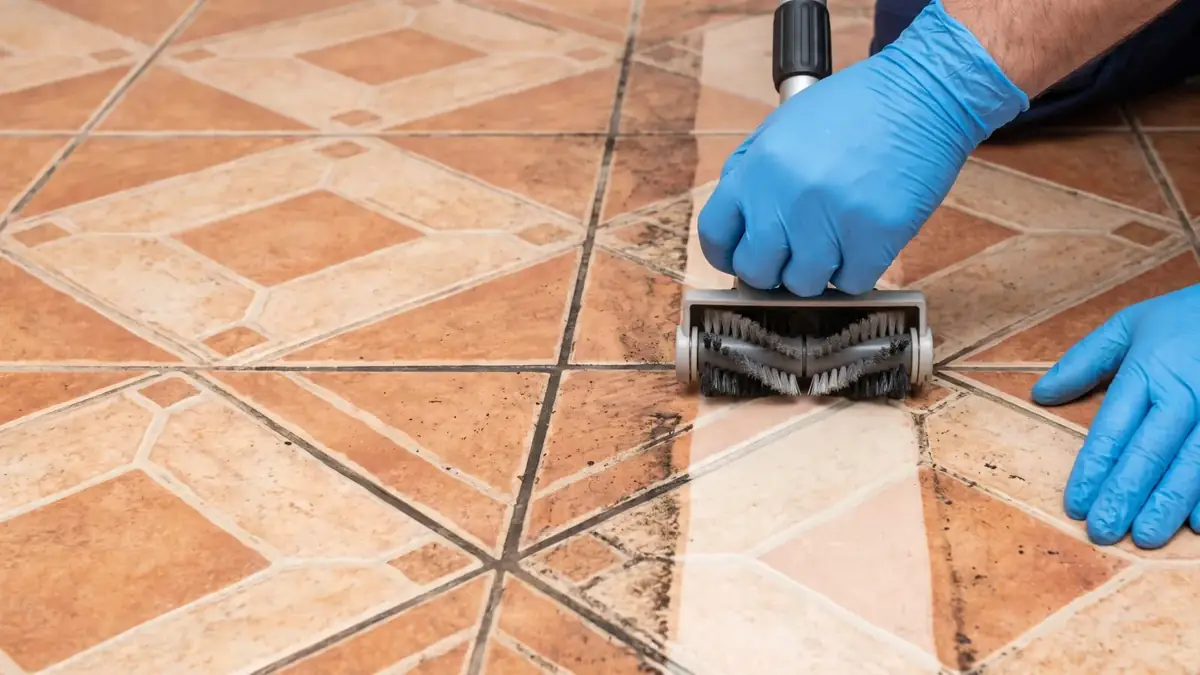
Treat grout lines and tile edges as the entry points - the tile face is rarely the problem.
Judge the floor by what is under it - a sound tile over a saturated substrate is not a recovered floor.
Method at a glance
Test small, then reassess
01
Observe
Identify the tile type - glazed ceramic and porcelain resist absorption; natural stone and unglazed tile drink water.
02
Choose
Treat grout lines and tile edges as the entry points - the tile face is rarely the problem.
03
Confirm
Judge the floor by what is under it - a sound tile over a saturated substrate is not a recovered floor.
A practical stopping point
Stop when the test changes the finish, loosens a joint, leaves persistent residue or reveals damage rather than soil. More force is not a diagnosis; record the result and choose the correct next step.
Need a tile-specific assessment?
The form is for Tile Cleaning Auckland tile and hard-floor quote requests. It is not a general claim that Tile Cleaning Auckland performs every subject covered by the legacy article archive.
Route-specific answers
Questions about this topic
What should be checked before ceramic, porcelain and natural stone: how tile floors handle flooding?
Identify the tile type - glazed ceramic and porcelain resist absorption; natural stone and unglazed tile drink water. The material and its current condition set the safe scope.
What preparation helps with ceramic, porcelain and natural stone: how tile floors handle flooding?
Treat grout lines and tile edges as the entry points - the tile face is rarely the problem. Share photographs, access details and any known coatings or previous products.
What result is realistic for ceramic, porcelain and natural stone: how tile floors handle flooding?
Judge the floor by what is under it - a sound tile over a saturated substrate is not a recovered floor. Cleaning cannot reverse wear, etching, failed joints or permanent colour change.